Choose one anchor for the day
Start with the neighbourhood or interest you most look forward to, then keep the rest flexible.
Choose palace, river and classical music experiences with time between venues.
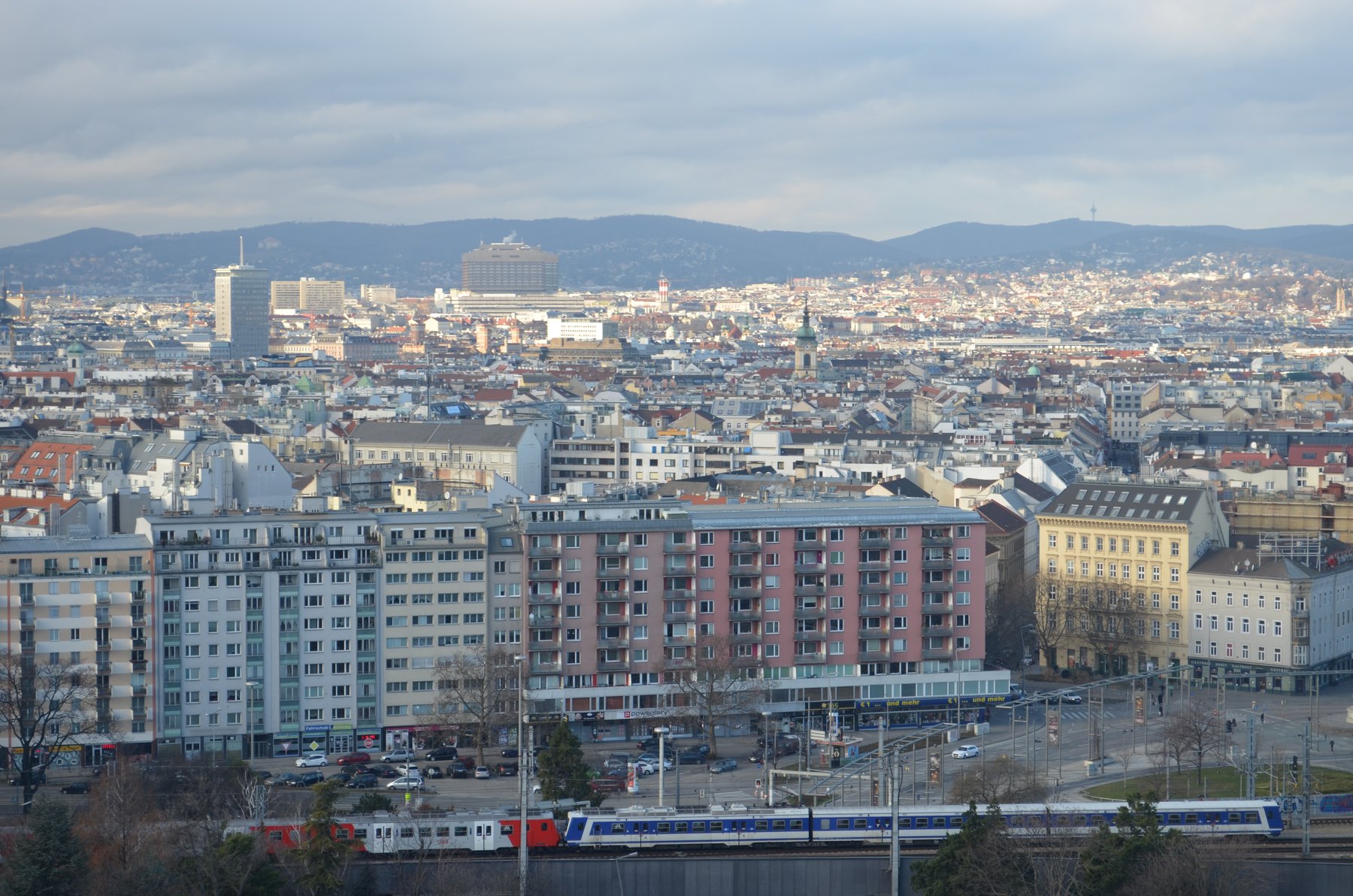 Boris Maric · CC0 1.0 · Destination reference photo
Follow an interest in music and art, leaving pauses between walks.
Start with the neighbourhood or interest you most look forward to, then keep the rest flexible.
Look at distances between places and include meals and resting time in the plan.
When preparing to visit, check official opening hours, visitor guidance, accessibility and local transport information.
Vienna offers different experiences by day and night: palace surroundings and the Ringstrasse, a staged performance, or dancing at a ball. Decide whether a ball is the purpose of your trip or whether you simply want to add music to a city visit.
In the old centre, St Stephen’s Cathedral, the Hofburg and the State Opera make useful orientation points. Around it, the Ringstrasse links monumental buildings in different styles, including the opera house, parliament, city hall and museums.
Editorial suggestion: treat the old streets and the Ringstrasse architecture as separate parts of the day. If you also want Schönbrunn, give its journey and visit their own space rather than adding it as a quick stop on a central walk.
Check a Vienna city ticket by its coverage across the underground, trams and buses. The airport is outside the usual Vienna core zone, so do not assume that a city ticket also covers the full airport journey.
Check the conditions for the particular airport train or bus operator and route you choose. Validate paper tickets when required using the stated procedure, and plan the return journey for late-finishing activities such as a ball.
Vienna’s ball culture includes different organisers, venues and musical programmes. Waltzes and ceremonial openings are important to traditional balls, while some events also offer other dances and music.
The Opera Ball is one particular event at the Vienna State Opera. An ordinary opera performance, another Viennese ball and the Opera Ball are not interchangeable experiences; read the official information for the one you actually mean.
We suggest a daytime route around the State Opera’s exterior and the Hofburg area, with selected Ringstrasse buildings rather than every stop. If you add a museum visit, choose one as the main focus.
On a ball day, leave the afternoon free to return, rest, dress and prepare the journey. This is an editorial itinerary, not a travel product including a scheduled ball, admission or a performance.
The Opera Ball specifies attire such as a floor-length ball gown or a black tailcoat with a white bow tie. Other balls may set different requirements, so do not apply this dress code to every event in Vienna.
The Opera Ball has a defined point after the opening when guests can take to the floor. Read the programme and room information according to whether you want to watch or dance, and check admission and seating conditions separately in the official guidance.
Official sources checked: 2026-11-02. Suggested routes are editorial ideas, not a guarantee of opening schedules or availability.
Cultural and event guidance is separate from flight and hotel searches. These links do not imply that performance tickets, festival admission or competition entry are included.
Check language, currency, payment methods and regional conditions on the linked Trip.com site.